
When Rest Feels Too Costly
Two Days That Reframe Self-Care for the New Year

I woke up in a hospital room convinced I’d lived this day before. I was in the same type of bed, possibly the same room, and I was definitely on the same floor. Also, the same old fear sparked on the edges of my nerves before my mind could catch up and pacify it with truth. Ultimately, I was bracing for a familiar spiral when something unexpected happened.
There are a lot of things I assume will stay the same. I expect hard recoveries, messy timelines, and scarcity with support and childcare. I’ve learned to brace myself for the long road of complications, disappointment, and always having to explain why my life, body, or mind can’t fit into a plan. And because of that, the cost to seek out what is good can feel more exorbitant than goodness itself. Fostering life-giving experiences, creating space for solitude, and maintaining margin to heal and refill just do not work out for me like they seem to for others.
Let me say it this way—rest is never that simple. It wouldn’t surprise me if you’ve also told yourself the story that rest is complicated, even if for different reasons.
But I’m beginning to believe this narrative—that rest comes at too high a cost—is flawed. Within a couple months, I experienced two very different twenty-four-hour stretches that worked in ways I didn’t expect—and gave me exactly the type of rest I needed.
Twenty-Four Hours of Rest Part One: Refill
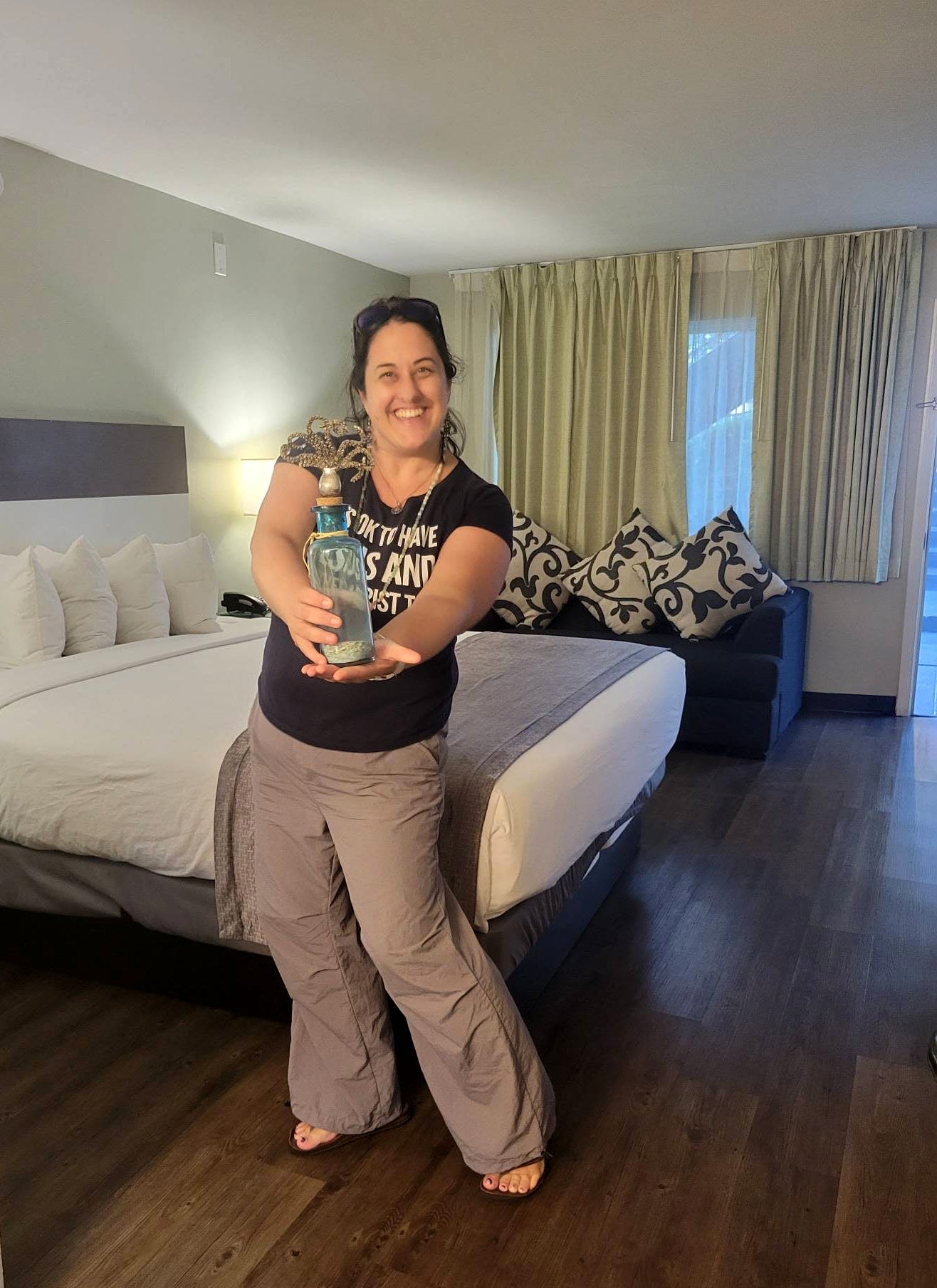
The first twenty-four hours began at a small, but clean motel not too far from where I live in San Diego. The room felt light and airy. It was tastefully decorated with shutters on the back window that overlooked an unintentional garden. I was pleasantly surprised, but had already resolved to like whatever my experience turned into because I chose it. I also chose what to do with my time—would I adventure or take a bath? Shave or watch a movie? Could I do all of it?
I also chose the friends I’d meet for lunch, the coffee shops I’d write at, and my walk home from the bus stop during the sunset with my small suitcase clattering behind me. I carried a small list of ideas with me on how to rest well in case I forgot what I was trying to do.
During the twenty-four hours I also carried years of tension—the pull of wanderlust, the weight of responsibility, the grief of limited freedom, the constant hum of being needed by others. For a woman who doesn’t feel a lot of agency, over these twenty-four hours, I felt empowered.
This rest was intentional and fought for. It was chosen. It wasn’t dramatic or revelatory in the way I expected, but it was deeply refilling in a way my body, mind, and spirit needed. It was a reminder that delight, freedom, and self-care are not luxuries, but needs.
Twenty-Four Hours of Rest Part Two: Recovery
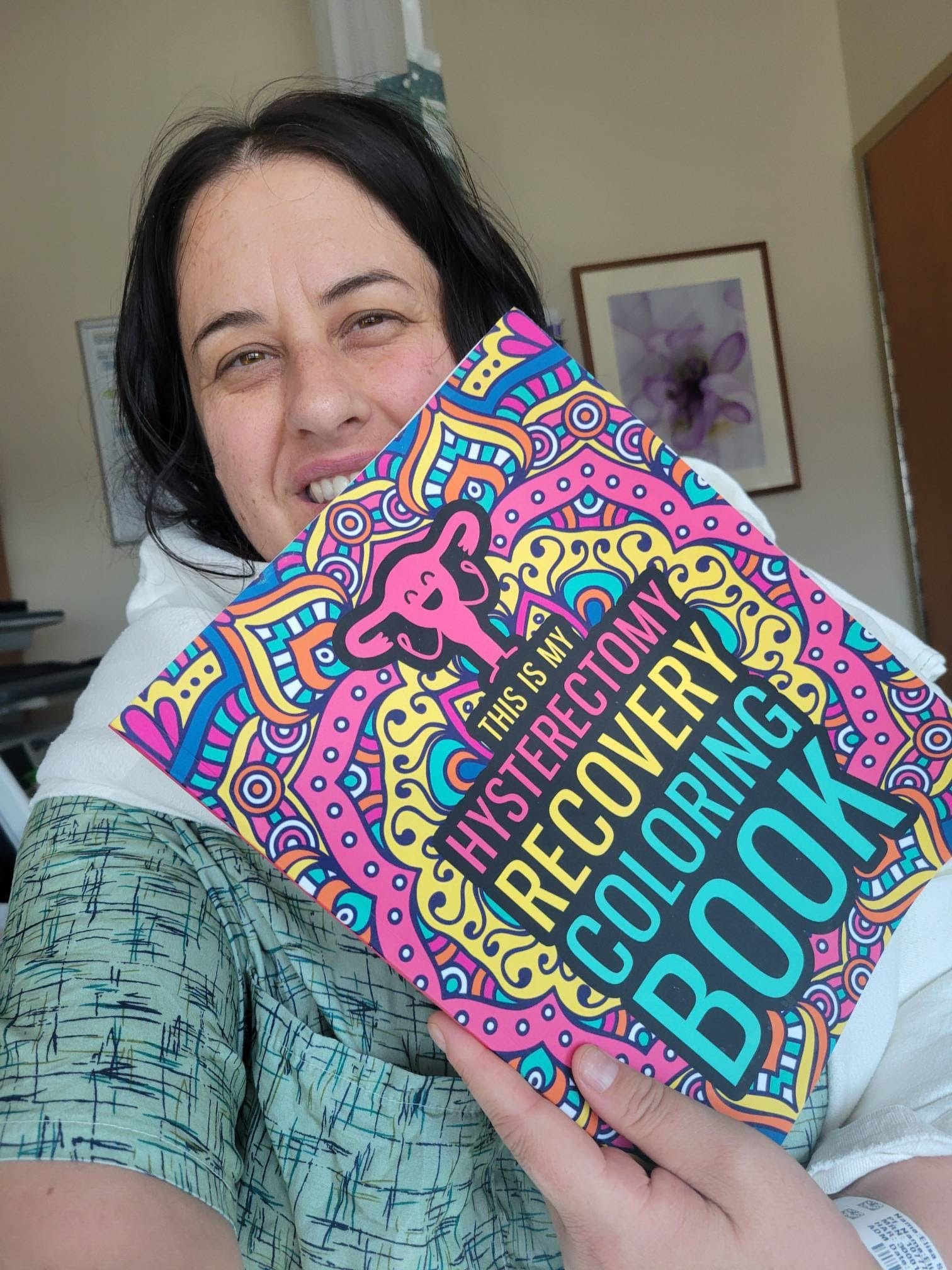
The second twenty-four hours happened a little less than two months later, in a hospital for a total hysterectomy.
I woke up miserable—in pain, extremely nauseated, and needing to use the restroom without the ability to go. It felt frighteningly familiar as I cycled between trying to move and sleep. I was bracing myself for complications I knew too well.
Although I was grateful that for once I wasn’t responding to an emergency—this time I was able to choose how to respond to my body’s needs through a pre-planned surgery—I still wouldn’t call this refilling rest, the type that makes us come alive. Recovery isn’t crafted, it is endured. This was rest my body demanded. Recovery rest strips away agency and replaces it with surrender.
And then, slowly, something shifted in my body and I could see the evidence I was healing. Twenty-four hours after I arrived at the hospital, I went home. Deep beliefs I had about recovery began to be rewritten. Maybe I didn’t have to brace myself so hard for healing rest—the cost wasn’t too high.
Both twenty-four hours met me exactly where I was. Both also offered wholeness in different ways while confronting the myth that rest is nearly impossible, too challenging and costly to pursue.
Something Gentler than “A New Year, A New You”
The New Year is when I’d usually invite you into goal-setting or choosing a word for the year. It is also the prime time for marketing my books. It’s an ideal start date for doing Justice-Minded Kids with your family. And it's the easiest time to convince anyone to begin with The Life-Mapping Workbook, a full guide and system to be who you’re meant to be. It's possible this type of intention is exactly what you need.
But as the pressures of a new year mount up around us, I wanted to offer a gentle alternative because gentle is what I need, too.
In the Northern Hemisphere, winter is still cozying up by the fire. Even here in San Diego—where seasons are subtle at best—we’ve had rain, grey skies, and long indoor days. There are high-valued gems we only discover when we lean into the rhythms of rest seen in nature.1
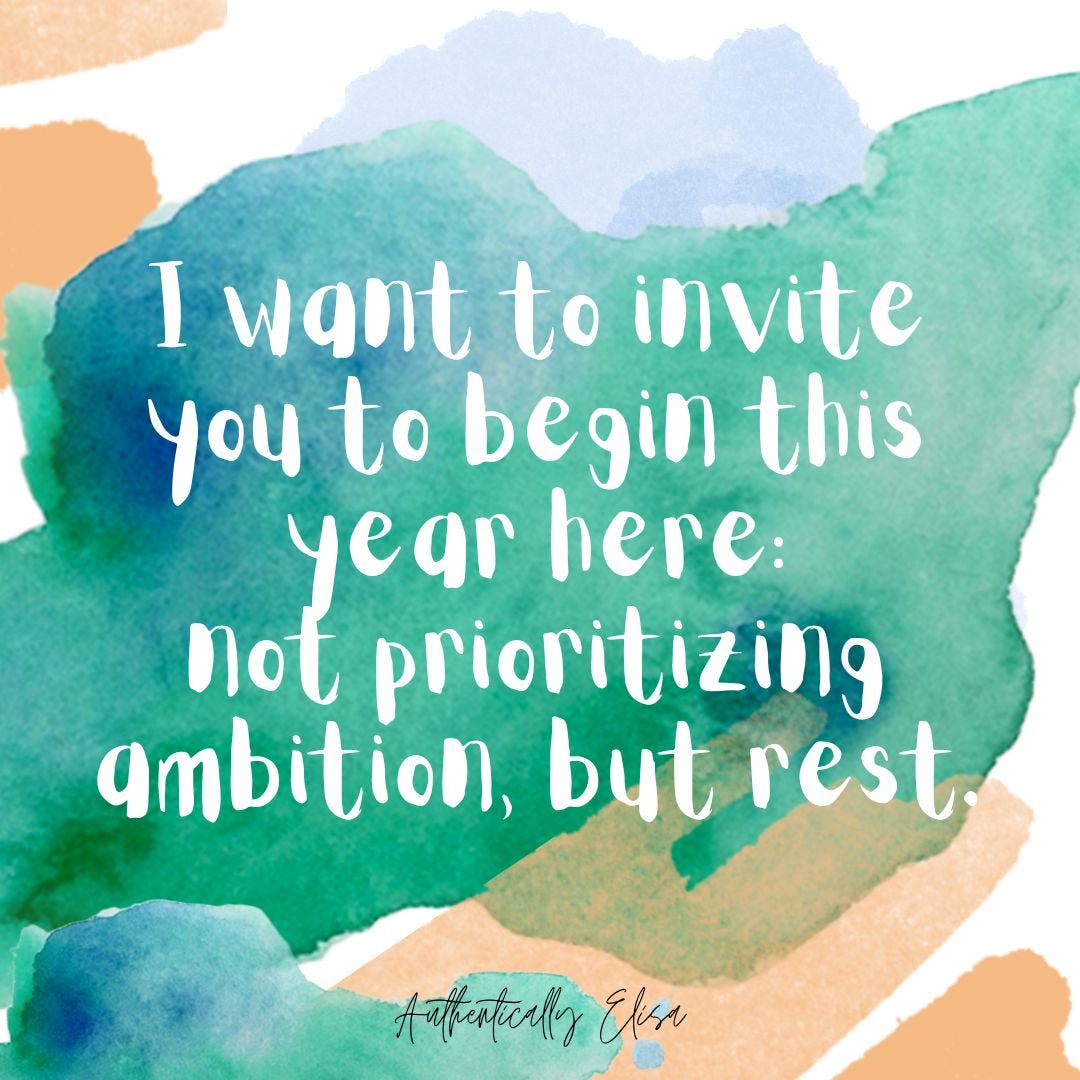
I want to invite you to begin this year here: not prioritizing ambition, but rest. I am confident that if rest is the only thing you’re intentional with this year, you will be winning.
New Stories To Believe
But to do that, you might also have to question these stories you tell yourself about rest,2 like that rest is too difficult, or that it isn’t worth the effort. And I understand these entirely for rest seems a fragile web, costly to weave, challenging to sustain, and too easily broken.
I often approach rest with a scarcity mindset, assuming only little is available to me before something else—my health, my family, my finances, my limited time, my responsibilities—will demand more than I have left. But these twenty-four hour experiences disrupted my belief that rest never works for people like me.3 I was again confronted with the possibility that the story I’d been telling myself was flawed.
Reframing Self-Care
These two twenty-four hours also helped me clarify essential truths about self-care.
Self-care, reframed, isn’t about doing selfish, frivolous things just to feel happy. It’s about honest self-awareness: What does my body need to heal? What does my spirit, mind, and soul need to be restored? Sometimes that care is intentional and chosen, like a retreat, hike, prayer time, or an uninterrupted night of sleep. Other times it is body-led and unavoidable. It might not be exactly planned for, but still desperately needed in order to recover.
Both of these matter and they are both worth the cost.
A New Invitation For a New Year
I can’t manufacture a faith for you that says, If I move toward rest, it will somehow work out. I don’t hold that assurance either, but this type of conviction isn’t what pursuing rest is about.
What I can tell you that if you don’t move in the direction of rest, rest is almost certainly out of reach.
This is the invitation for the new year—to trust (actually, trust is always the invitation). We have the invitation to trust that God cares about our whole beings, our bodies, minds, and need to refill so we don’t pour from an empty cup. We are invited to trust that preparing for rest is not wasteful or naive, but vital and wise. And we are invited to trust that even when rest feels costly, the goodness it brings has the power to repair and refuel us.
I’ll be sharing more of these two stories from both my twenty-four-hour personal retreat and later hysterectomy. I believe they matter because what they highlight about these two types of rest—refill and recover—matter. But I also want to share them because I suspect they may meet you where you are, helping you to feel less alone, and reminding you that hope and wholeness are still possible, no matter what you’ve been through or are going through.
For paid subscribers, this month’s Restoration Practices will specifically be providing simple coaching tools to help you intentionally create space for both kinds of rest.4
As the year commences, may you find the courage to move in the direction of rest. Reframe self-care so you can make room for the types of rest you need. And lastly, let this be your invitation to believe that rest is worth the cost—for rest is never a wasted effort. It is where healing and wholeness begin.

Behind The Surgery
I’m over three weeks post-op and I still feel like I’ve done one-thousand sit-ups! I get dizzy and breathless after walking a few yards. But hey, I’ve improved so much. I have to remind myself that I am not having some weird replay of past lupus flares/crazy pregnancy/delivery. This is just normal recovery after a major surgery.
I wasn’t as prepared for the “after surgery” as well as I needed to be. This wasn’t for lack of trying. I talked with medical workers, who can sum up extensively challenging lived experiences in one succinct blasé paragraph. And I had conversations with multiple women who had hysterectomies—but it turns out they just didn’t really know how to express the aftermath.
Considering, I’ve taken great delight in writing about my own experience as I recover. Part of this is going to be a chapter in my memoir. Another part I’m going to deliver to my doctor as a one-pager he can give his patients. And, I’ve already had a friend reach out and ask me about what to expect (she is scheduled for a hysterectomy later this month). Sharing with her brings me great joy, because this is why I write in the first place! To connect with people and help them feel less alone.
You can find past posts visiting AuthenticallyElisa.substack.com
Follow me on Instagram here @AuthenticallyElisa
See what’s new on my Patheos column: Flourishing Faith and Justice or on my other blog for changemakers at AverageAdvocate.com
If you are curious about these wintering gems from nature, writer Elena Delhagen does an excellent job in her beautiful New Year’s essay: Hushed & Holy
A belief like this is what therapists would call a cognitive dissonance.
Rest the Privilege; Rest the Gift is another time this belief was disrupted. A beautiful story confronting scarcity mindset with rest.
You might be interested to know that there are actually seven officially names types of rest we as humans need.
This is beautiful! May your rest be restorative as your body continues healing.